Walk into any professional detail shop and you’ll notice something right away: there’s no single miracle product doing all the work. Interior detailing is really a layered process, where different chemicals and tools handle different materials — because what strips grime off a rubber floor mat would ruin a leather seat in about thirty seconds. Having spent years elbow-deep in dashboards and door panels, I can tell you the “secret” isn’t one product. It’s knowing which product belongs where.
The Core Product Categories Car Detailers Rely On
Most professional interior cleaning kits break down into a handful of categories, and each one exists because a single all-purpose spray just can’t handle the range of materials inside a modern vehicle.
All-Purpose Cleaners (APCs)
This is the workhorse of the trade. A good APC, diluted at different strengths depending on the surface, handles everything from carpet fibers to plastic trim. Car Detailers typically buy these concentrated and mix their own dilution ratios — heavier for a stained carpet, much lighter for something like a touchscreen bezel. Brands like Chemical Guys, P&S, and Optimum are common in professional bays, though the specific brand matters less than understanding dilution control.
Leather Cleaners and Conditioners
Leather isn’t one material — there’s aniline, semi-aniline, and pigmented (protected) leather, and each reacts differently to chemicals. Most car detailers use a pH-balanced leather cleaner first to lift oils and dirt without stripping the finish, then follow with a conditioner containing ingredients like lanolin or other emollients to keep the hide supple. Skipping the conditioning step is a common mistake — clean leather that isn’t conditioned dries out and cracks faster.
Fabric and Upholstery Cleaners
For cloth seats and carpets, detailers often reach for enzyme-based or oxygenated cleaners, particularly for pet odors, food stains, or anything organic. These work by breaking down the stain at a molecular level rather than just masking it with fragrance. A hot water extraction machine — essentially a wet-vac with a heated water tank — is standard equipment for this step, since it flushes cleaner out of the fibers rather than leaving residue behind.
Glass Cleaners
Interior glass needs an ammonia-free formula, since ammonia can damage tinted windows and dashboard materials nearby. Streak-free glass cleaners formulated specifically for auto interiors are standard, applied with a dedicated microfiber towel that never touches anything else — cross-contamination from dashboard dressing onto glass is one of the most common causes of streaking.
Plastic and Vinyl Dressings
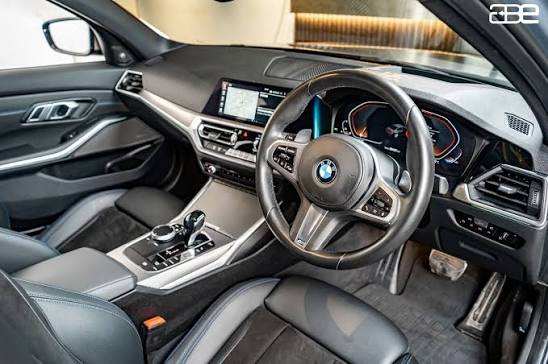
Once the dashboard, door panels, and center console are cleaned, detailers apply a protectant. There’s an ongoing debate in the industry between water-based dressings, which leave a satin finish, and silicone-based ones, which can look glossy but sometimes attract more dust and can cause glare on the windshield when applied to the dash. Most professional detailers lean toward matte, water-based dressings for this reason.
Tools That Matter as Much as the Chemicals
Products only do half the job. The tools that apply and remove them often make the bigger difference in the final result.
Brushes
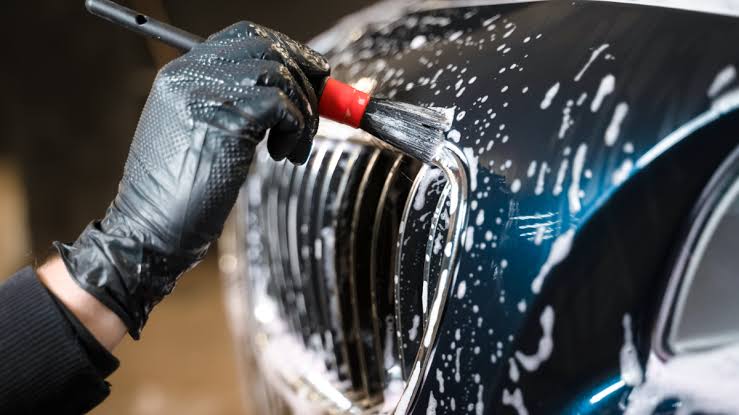
Car Detailers use a range of brush sizes and stiffnesses — soft-bristled detailing brushes for vents and stitching, firmer nylon brushes for carpet and floor mats, and horsehair or boar’s hair brushes for delicate surfaces like leather grain. A stiff brush on carpet works fine; that same brush on leather will scratch it.
Microfiber Towels
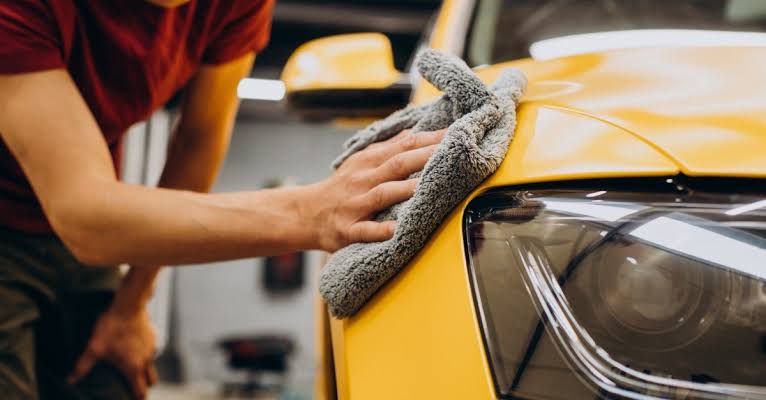
Not all microfiber is equal. Detailers typically color-code towels by task — one color for glass, another for leather, another for dashboards — so chemical residue from one surface never transfers to another. Towel pile also matters: short-pile towels for glass and hard surfaces, plush towels for leather and paint-adjacent trim.
Steam Cleaners
Steam has become a bigger part of interior detailing over the past several years, mainly because it sanitizes without soaking the material in liquid cleaner. It’s especially useful for seams, air vents, and tight seat stitching where chemical cleaners tend to pool or over-saturate.
Extractors
As mentioned above, extraction machines are essential for carpet and cloth upholstery. They inject a cleaning solution into the fibers and then vacuum it back out, which is the only reliable way to deep-clean fabric without leaving it soaked or sticky from residue.
Why the Order of Operations Matters
A detail isn’t just about having the right products — it’s about sequencing them correctly. Vacuuming always comes first, since wet cleaning loose debris just turns it into mud. Hard surfaces (dash, console, door panels) typically get cleaned before fabric and carpet, so any drips or overspray land on a surface that hasn’t been finished yet. Glass is almost always last, because it’s the most visible surface and the easiest to accidentally smudge with dressing overspray from an earlier step.
What Separates Professional-Grade Products From Consumer Ones
The biggest difference usually isn’t the ingredient list itself — it’s concentration and pH control. Professional-grade cleaners are often sold concentrated, letting the detailer adjust strength for the job, whereas consumer products are pre-diluted for one-size-fits-all use. Professional leather and fabric cleaners are also more consistently pH-balanced, which matters because repeated exposure to high-alkaline cleaners is one of the main reasons leather cracks prematurely or fabric color fades unevenly over time.
A Few Practical Takeaways for DIY Cleaning at Home
If you’re tackling your own interior rather than booking a professional car detail, a few principles carry over directly:
Always test a new product in a hidden spot first — under a seat or inside a door jamb — before using it on a visible surface. Use separate towels for glass and for dashboard or leather surfaces. And resist the urge to use a single “do-it-all” spray for the entire interior; matching the product to the material is what actually protects the car’s surfaces long-term, not just what gets it looking clean today.