I’ve spent years around body shops, dealerships, and detailing bays, and the same question comes up constantly: why pay someone to clean a car when a garden hose and a Saturday afternoon seem to do the job just fine? The honest answer is that it depends on what you’re actually trying to protect — and most people underestimate how much that answer matters until they try to sell the car or notice the paint has gone dull in places they never touched.
What Professional Detailing Actually Involves
A basic car wash and a full detail aren’t the same category of service, even though people use the terms interchangeably. Washing removes surface dirt. Detailing goes after everything a wash leaves behind — embedded contaminants in the clear coat, oxidation, swirl marks from years of automatic car washes, UV damage on plastic trim, and the buildup of grime in places like door jambs, vents, and seat tracks that most owners never think to clean.
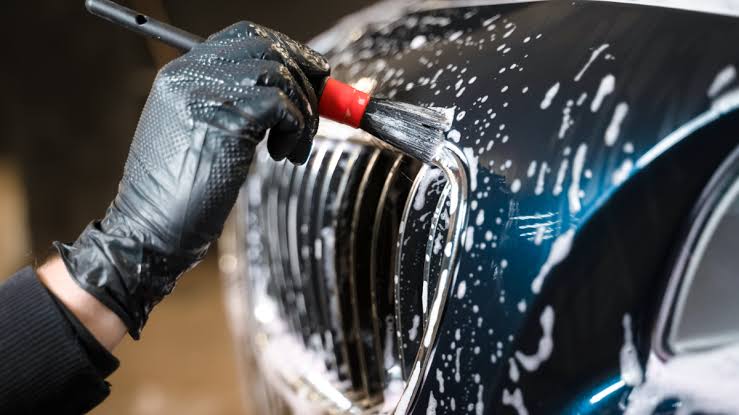
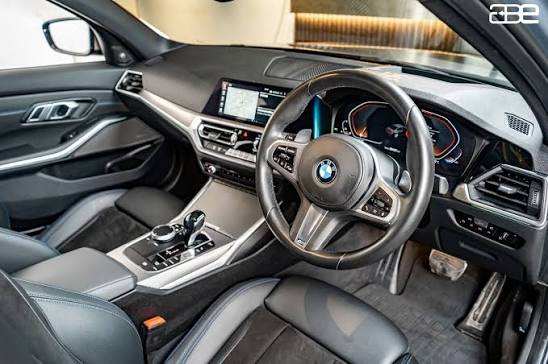
A proper exterior detail typically includes a decontamination wash, clay bar treatment to pull bonded particles out of the paint, machine polishing to correct minor imperfections, and a sealant or wax layer to protect the finish afterward. Interior detailing goes beyond vacuuming — it means steam cleaning upholstery, conditioning leather, cleaning under seats, and addressing odors at their source rather than masking them with air fresheners.
Where the Value Actually Shows Up
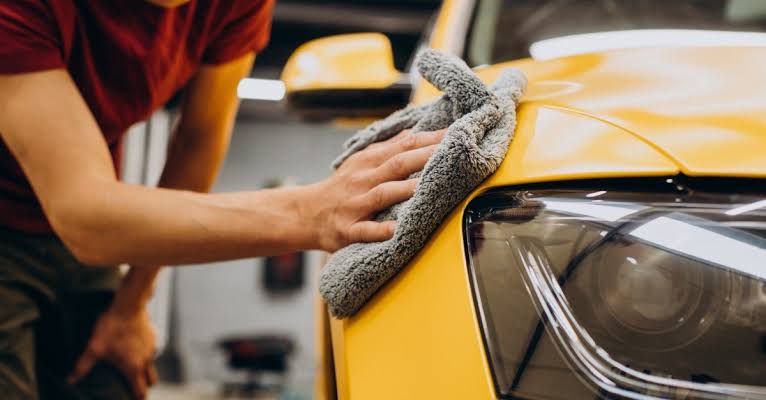
The paint correction stage is where most of the visible transformation happens. Swirl marks and light scratches that make a car look tired under sunlight can often be polished out, restoring gloss that owners assume is gone for good. This is not something a home wash-and-wax routine replicates, because it requires machine polishers, the right pads, and an understanding of how much clear coat you can safely remove.
The Financial Case for Detailing
Here’s where detailing earns its keep in a way that’s easy to overlook: resale value. A car with a coat of oxidized paint, stained seats, and a musty interior gets judged harshly by buyers within the first thirty seconds of a test drive, regardless of how well the engine runs. Detailing doesn’t just make a car look better in photos — it removes the visual cues that make buyers assume neglect, which often translates into faster sales and less room for lowball negotiating.
Paint protection also has a compounding effect over time. Left unprotected, clear coat degrades from UV exposure, road salt, bird droppings, and tree sap, all of which are mildly acidic or abrasive at a microscopic level. A sealant or ceramic coating applied during a detail creates a sacrificial barrier, meaning the damage happens to the coating instead of the paint underneath. Reapplying that protection periodically is considerably cheaper than a repaint down the line.
Leather and Interior Longevity
Leather seats that go uncleaned and unconditioned crack and fade years before they should. Conditioning products replenish the oils that manufacturers use to keep leather supple, and doing this consistently extends the usable life of the interior significantly. Cloth interiors benefit similarly from proper extraction cleaning, which pulls dirt out of the fibers rather than just pushing it around, as a shop vacuum tends to do.
When DIY Is Genuinely Enough
I’ll push back on the idea that everyone needs professional detailing every few months. If you wash your car regularly, keep it garaged or covered, and live somewhere without harsh winters or heavy pollution, a solid DIY routine with quality wash mitts, a two-bucket method, and a consumer-grade wax can keep things in reasonable shape for a long time.
Where DIY tends to fall short is correction work. Removing swirl marks or oxidation requires machine polishing with the correct compound and pad combination — done wrong, it’s easy to burn through the clear coat, which turns a cosmetic issue into an expensive repair. If your car already looks good and you’re maintaining it, you may not need a professional detail at all. If it’s already showing damage, that’s usually the point where a professional makes more sense than a trial-and-error approach with a rented buffer.
Climate and Environment Matter More Than People Think
Someone parking outdoors in a coastal city dealing with salt air and constant UV exposure needs a very different maintenance schedule than someone garaging a car in a mild, dry climate. Detailers who work in a specific region tend to know the local failure points — salt corrosion on undercarriages, hard water spotting from sprinklers, or sap damage from specific tree species — better than generic advice ever will.
What to Ask Before Booking a Detailer
Not all detailing services are equal, and pricing differences usually reflect real differences in process, not just markup. A few questions separate a genuinely skilled shop from one that’s just running through motions:
Process and Equipment
Ask whether they use a two-bucket wash method and pH-neutral soap, since harsh degreasers can strip existing wax or sealant unnecessarily. Ask what polishing equipment they use and whether paint correction is measured with a paint thickness gauge before machine work begins — this matters because removing too much clear coat is irreversible.
Products and Protection Options
Ceramic coatings, sealants, and traditional carnauba wax all offer different durability and cost tradeoffs. A reputable detailer will walk you through what each option actually does rather than upselling the most expensive one by default. Ceramic coatings last considerably longer than wax but cost more upfront and don’t fix problems, only protect painted surfaces afterward.
Is It Worth It for Your Situation
For someone planning to sell or trade in a vehicle within the next year, a detail almost always pays for itself through a better sale price or trade valuation. For someone who leases and has to return a car in good condition, detailing protects against fees tied to wear and staining. For someone keeping a car long-term, periodic professional attention — even once or twice a year alongside regular DIY washing — slows the kind of deterioration that’s expensive to reverse once it sets in.
Where it’s less clearly worth it is for a car that’s already at the end of its useful life, or for someone who’s diligent enough with regular maintenance that correction work simply isn’t needed yet. Spending money on paint correction for a car you plan to replace in six months rarely makes financial sense.
The Bottom Line
Professional detailing isn’t really about making a car shiny for a weekend — that’s the visible part, but not the reason it holds value over time. It’s about protecting a depreciating asset from the kind of environmental and mechanical wear that quietly reduces both its function and its resale value. Whether it’s worth the cost comes down to how long you plan to keep the car, how it’s stored, and how much the current condition has already slipped. For a car you’re maintaining well, it’s a smart periodic investment. For one that’s already showing real wear, it’s often the difference between a straightforward sale and a hard negotiation.