Ask ten detailers this question and you’ll get ten answers that all circle the same truth: it depends entirely on what “detailing” actually means in that sentence. A rinseless wash and vacuum job labeled as “full detail” isn’t doing your paint any favors five years down the road. But a proper paint correction followed by a durable protective coating? That’s a different story entirely.
I’ve spent enough time under shop lights and in customer driveways to know that this question usually comes from someone who just got a quote that made their eyes water. So let’s break down what actually protects paint, what doesn’t, and where the real long-term value lives.
What “Protecting Paint” Actually Means
Paint protection isn’t one thing. It’s a stack of smaller jobs that each address a different threat.
Clear coat on modern vehicles is a sacrificial layer. It’s there to take the abuse — UV exposure, oxidation, minor abrasion, bird droppings, tree sap, road grime — so the color coat underneath doesn’t degrade. Once that clear coat is compromised through neglect or improper washing, you’re not getting it back without cutting into it via polishing, which thins it permanently.
So when someone asks if detailing protects paint long-term, what they’re really asking is: can regular professional care slow down or prevent the degradation of that clear coat, and can added protective layers reduce how much damage reaches it in the first place. The honest answer is yes, but only when the process is done correctly and maintained consistently.
The Difference Between Cosmetic Detailing and Protective Detailing
This distinction matters more than most people realize.
Cosmetic-Only Services
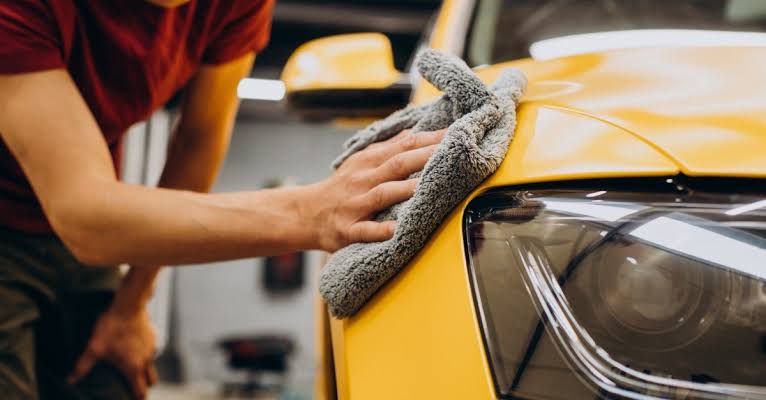
A wash, wax, interior wipe-down, and tire shine will make a car look good for a few weeks. It does very little for long-term paint health. Consumer-grade waxes, particularly carnauba-based ones, typically break down within four to eight weeks depending on climate and wash frequency. They add a bit of shine and minor hydrophobic behavior, but they’re not a barrier against oxidation, contamination bonding, or UV degradation in any meaningful long-term sense.
Correction and Protection Services
Paint correction removes existing defects — swirl marks, light scratches, oxidation, water spot etching — by leveling the clear coat with compounds and polishes. This step alone doesn’t protect anything; it just resets the surface. The protection comes after, through ceramic coatings, paint protection film, or in some cases high-quality synthetic sealants.
This is the combination that actually changes the long-term trajectory of a car’s paint. Correct the damage, then seal the surface so new damage accumulates more slowly.
Ceramic Coatings: What They Do and Don’t Do
Ceramic coatings get marketed aggressively, so it’s worth being precise about their actual function.
A ceramic coating is a liquid polymer, typically silica-based (SiO2), that chemically bonds to the clear coat and cures into a semi-permanent layer. Once cured, it creates a hard, glossy, hydrophobic surface that sits on top of the factory clear coat.
What it genuinely does:
- Adds a sacrificial layer that takes UV and environmental exposure before the clear coat does
- Makes the surface easier to clean because contaminants bond less aggressively
- Improves resistance to chemical etching from things like bird droppings and bug acid, provided they’re removed within a reasonable timeframe
- Reduces the frequency and severity of light scratching from improper washing, since the coating itself is harder than clear coat
What it doesn’t do:
- Prevent rock chips, deep scratches, or any impact-based damage
- Make the paint “scratch-proof,” despite how that word gets thrown around
- Last forever without maintenance, regardless of what a five-year warranty implies about zero upkeep
- Substitute for correct washing technique afterward
A ceramic coating without proper aftercare — meaning still using automated car washes with abrasive brushes, or washing with dish soap that strips the coating’s hydrophobic properties — will underperform its potential lifespan significantly.
Paint Protection Film: The Physical Barrier Option
Where ceramic coatings are a chemical bond, paint protection film (PPF) is a physical one. It’s a urethane film, usually applied to high-impact areas like the front bumper, hood, mirrors, and rocker panels, though full-body applications exist for people who want maximum coverage.
PPF is the only category here that actually protects against rock chips and light impact abrasion, because it has physical thickness and, in modern formulations, self-healing top coats that use heat to reflow minor scratches out of the film surface. This is the layer that saves the actual clear coat underneath from the kind of damage a ceramic coating simply can’t stop.
Many shops now combine PPF on impact zones with a ceramic coating over the entire vehicle, including the film itself, since PPF also benefits from added UV and hydrophobic protection. This layered approach is generally considered the most comprehensive long-term protection strategy available for street-driven vehicles.
Why Maintenance Washing Matters More Than People Expect
Here’s the part that gets glossed over in a lot of marketing: none of this protection works in isolation from how the car is washed afterward.
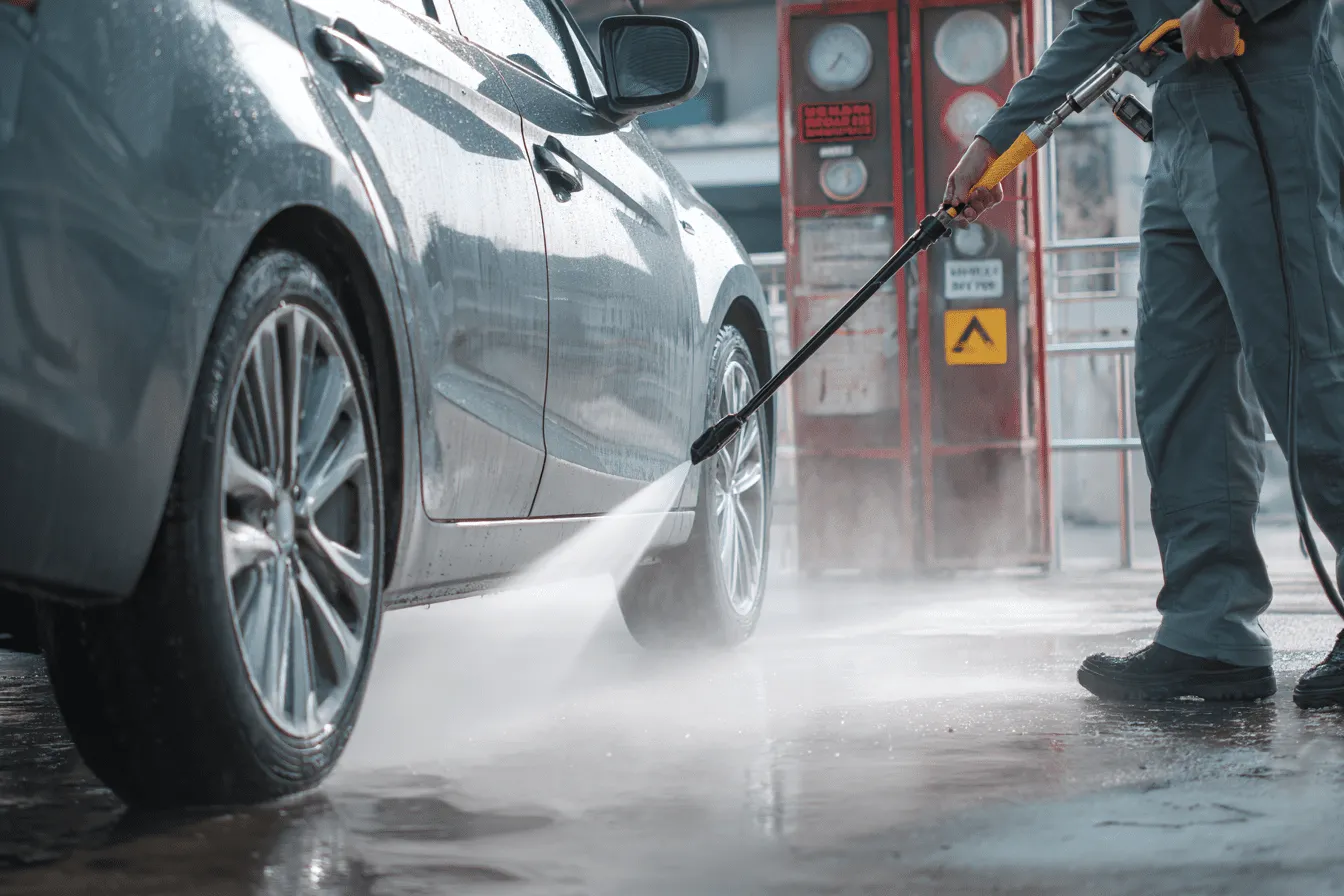
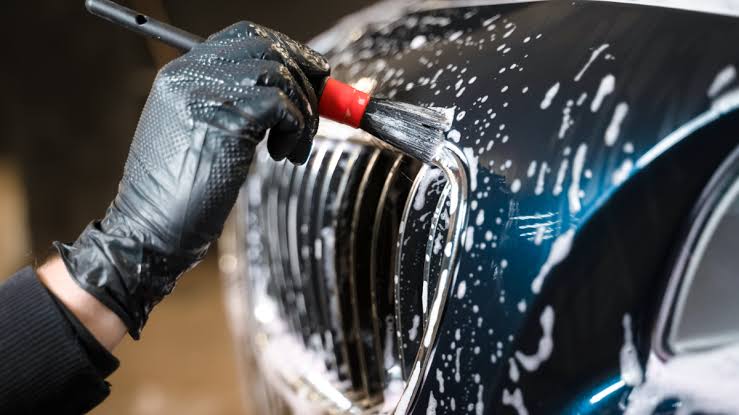
Improper washing is one of the leading causes of induced swirl marks and fine scratching, even on coated or filmed vehicles. Automatic car washes with cloth or brush systems are a common culprit, since the same material drags across every vehicle that goes through, picking up grit along the way. A two-bucket hand wash method with pH-neutral soap, a grit guard, and microfiber wash mitts remains the standard recommendation for minimizing marring over time.
A vehicle with premium protection but poor wash habits will often look worse in two years than a well-maintained vehicle with no coating at all. The protection buys you a margin for error, not immunity from bad habits.
How Long Does the Protection Actually Last
This varies more than most marketing suggests, and it depends heavily on climate, garage versus outdoor parking, driving frequency, and wash habits.
Consumer-applied ceramic coatings, the kind sold in auto parts stores, generally last anywhere from six months to two years depending on product quality and application. Professionally applied ceramic coatings, which use higher silica concentrations and proper surface prep including full paint correction beforehand, typically range from two to five years, with some premium multi-layer systems marketed beyond that.
PPF has a longer functional lifespan, often cited between five and ten years before yellowing, edge lifting, or film degradation becomes noticeable enough to warrant replacement, though this depends significantly on film quality and installation.
None of these numbers should be treated as guarantees. Vehicles parked outdoors in high-UV climates like Arizona or South Texas will see faster degradation than the same product applied in a milder, more overcast region. Vehicles that see regular highway driving accumulate more contamination and impact exposure than a car driven occasionally around town.
Is It Worth the Cost
This is really a question about how long someone plans to keep the vehicle and how much they value resale condition.
For someone keeping a car five-plus years, a correction-plus-coating package, or PPF on high-impact zones, tends to pay for itself in reduced paint correction needs down the line and better resale value. Paint condition is one of the first things a knowledgeable buyer or appraiser checks, and a car with minimal swirling and no oxidation clearly stands out in a used market where most vehicles show visible wear.
For someone who leases or trades in every two to three years, the calculus shifts. Basic maintenance detailing and a quality sealant may deliver enough protection to keep the car presentable without the added cost of coatings or film that outlive the ownership period.
The Bottom Line on Long-Term Protection
Professional detailing protects paint long-term, but only the right kind, applied correctly, and followed by disciplined maintenance. A coating or film without proper prep work is protecting compromised paint. A perfect correction without follow-up protection is exposed to the same degradation it just fixed. And even the best protection in the world won’t survive years of automated car washes and neglect.
The real answer isn’t “does detailing protect paint” — it’s “does this specific detailing process, done by this specific shop, followed by this specific maintenance routine, protect paint.” Get all three right, and yes, the paint on a car can look meaningfully better a decade in than paint that never saw a polisher or a coating gun.