If you’ve ever pulled up to a car wash and wondered why the guy next to you paid five times what you did for what looks like the same service, you’re asking the right question. The confusion is understandable—both involve cleaning a vehicle, both leave it looking better than when it arrived, and both are marketed with words like “premium” or “deluxe” that don’t actually mean much on their own.
But a car wash and auto detailing aren’t different tiers of the same service. They’re fundamentally different processes with different goals, tools, and outcomes.
The Core Difference: Speed vs. Precision
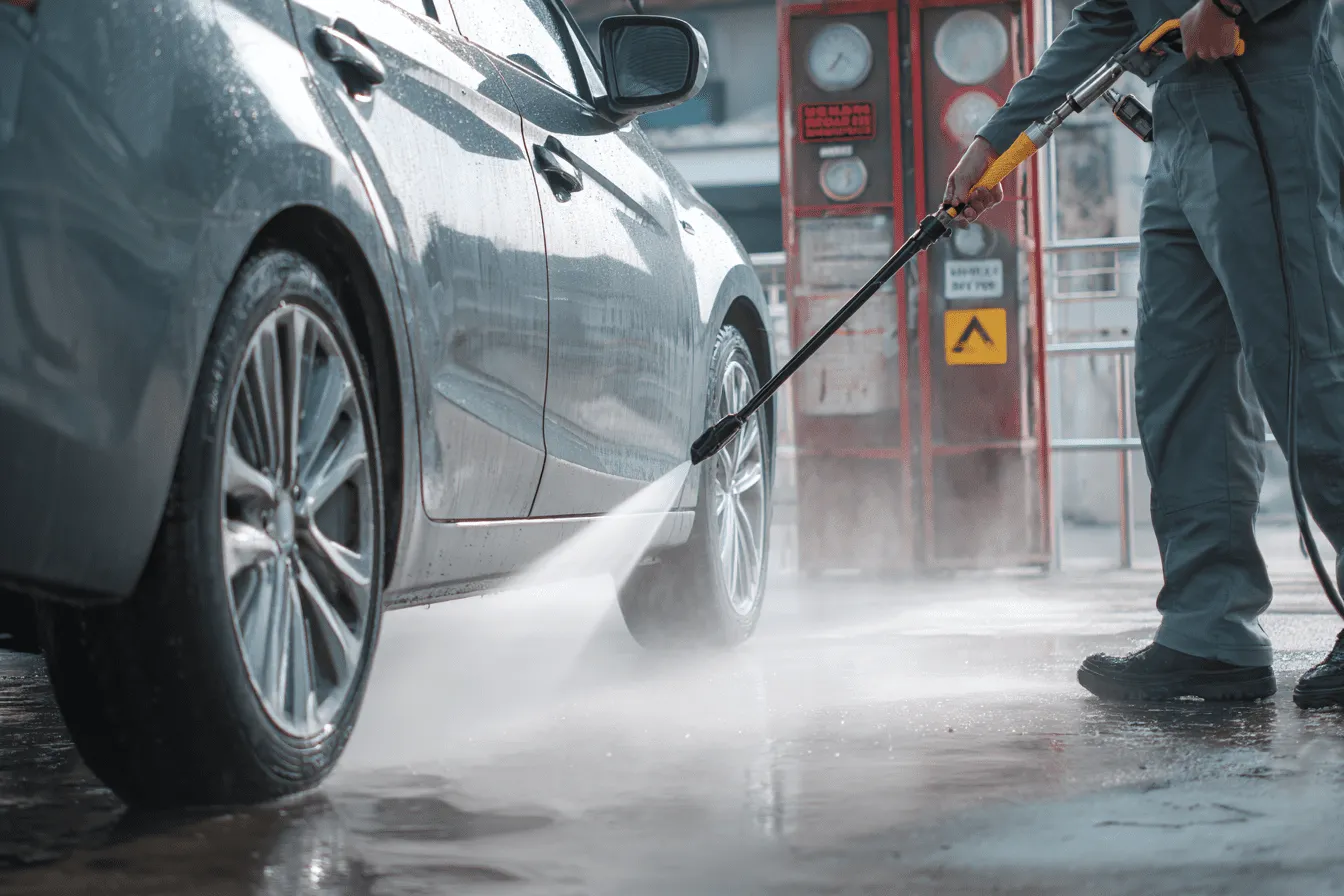
A car wash is built around volume and speed. Whether it’s an automated tunnel wash or a hand wash at a gas station lot, the goal is to remove surface dirt, road grime, and dust as quickly as possible so the next car can pull in. Most washes take somewhere between five and twenty minutes.
Detailing operates on an entirely different timeline. A proper detail can take anywhere from two to eight hours, sometimes longer for correction work or a full interior restoration. The person doing it isn’t cycling cars through a line—they’re working on one vehicle, addressing specific problems: swirl marks in the clear coat, embedded contaminants in the paint, stained upholstery, faded trim, oxidized headlights.
The difference isn’t really about how clean the car looks when you drive away. It’s about how the work was done and what problems it actually solved.
What a Car Wash Actually Does
A standard wash typically covers:
- Exterior rinse and soap application
- Removal of loose dirt, bugs, and surface grime
- A quick wheel rinse (sometimes with a separate wheel cleaner)
- Drying, often with air blowers or a quick manual wipe
- In some packages, a spray wax or “sealant” applied in seconds
That last item is worth pausing on. Many washes advertise “wax” as an add-on, but what’s usually applied is a synthetic spray sealant misted on during the rinse cycle. It adds some shine and light protection, but it’s not comparable to a hand-applied wax or ceramic coating that’s been properly prepped and cured.
Interior service at a car wash, if offered at all, usually means vacuuming the floors and maybe wiping down the dash with a general-purpose cleaner. It’s tidying up, not restoration.
What Detailing Actually Involves
Detailing breaks down into two broad categories: exterior and interior, and a full detail addresses both.
Exterior Detailing
This starts with a proper wash, but that’s just the first step. From there, a detailer typically moves into:
- Decontamination — using a clay bar or chemical decontaminant to remove bonded particles like tree sap, rail dust, and industrial fallout that washing alone won’t touch
- Paint correction — machine polishing to reduce or remove swirl marks, light scratches, and oxidation from the clear coat
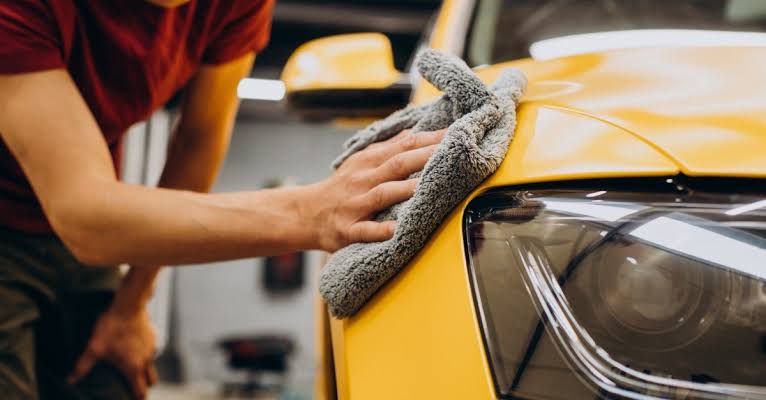
- Protection — applying wax, paint sealant, or ceramic coating, each with different durability and maintenance requirements
- Wheel and tire detailing — deep cleaning wheel wells, dressing tires, and sometimes removing brake dust buildup that’s baked onto the wheel face
- Trim and glass — restoring faded plastic trim and polishing glass to remove water spots and light haze
Interior Detailing
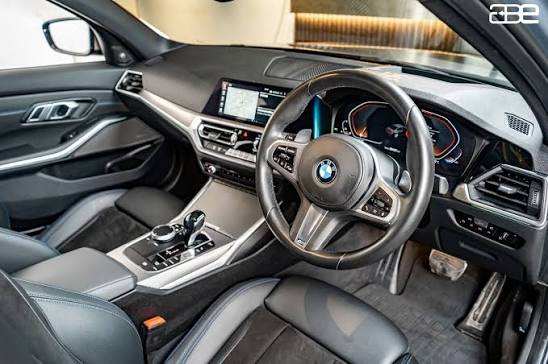
Interior work goes well beyond vacuuming:
- Steam cleaning or shampooing carpets and upholstery
- Leather cleaning and conditioning to prevent cracking
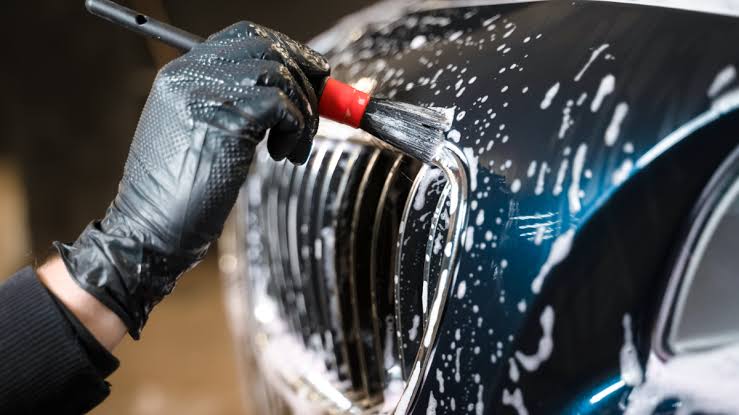
- Detailed cleaning of vents, crevices, and door jambs
- Odor removal treatments, not just air fresheners masking a smell
- Stain treatment for specific spots rather than a general wipe-down
The goal isn’t just visible cleanliness—it’s addressing wear and buildup that accumulates over months or years, not just the last week’s commute.
Why the Price Gap Makes Sense
A wash costs $10 to $40 in most markets because it’s a high-throughput service with minimal labor per car and often automated or semi-automated equipment. Detailing runs anywhere from $100 to $400+ for a full interior and exterior job, and correction-heavy work or ceramic coating application can run higher still.
That gap comes down to labor, skill, and product cost. Paint correction alone can take two or three hours of careful machine work, and the compounds, pads, and coatings used aren’t cheap. A detailer is also making judgment calls throughout—how much correction a panel needs, whether a stain will lift with standard extraction or needs a stronger treatment—decisions that don’t come up in an automated wash tunnel.
Which One Does Your Car Actually Need?
This depends on what you’re trying to maintain versus what you’re trying to fix.
Choose a Car Wash When:
- You need routine upkeep between details
- The car is generally clean but has accumulated dust, pollen, or road film
- You’re short on time and just need it presentable
- Budget is the main constraint
Choose Detailing When:
- You’re preparing a car for sale and want it to look its best
- The paint has visible swirl marks, scratches, or dullness
- The interior has stains, odors, or general neglect that’s built up over time
- You’ve just bought a used car and don’t know its full history
- You want long-term paint protection like ceramic coating
- It’s been six months or more since the last real deep clean
Most people who take car care seriously do both: regular washes to maintain the vehicle week to week, and periodic detailing—maybe twice a year—to address the deeper issues washing can’t touch.
The Bottom Line
A car wash keeps your vehicle looking decent on a regular basis. Detailing is corrective and protective work that addresses problems sitting below the surface—literally, in the case of paint contamination and oxidation. Neither replaces the other. A wash can’t fix swirl marks, and paying for a full detail every week would be a waste of money for a car that just needs the pollen rinsed off.
Understanding this difference means you stop overpaying for services you don’t need, and it means your car actually gets what it needs based on its condition rather than whatever’s marketed as “the works” at the place closest to your house.