Paint doesn’t lose its shine overnight. It’s a slow accumulation of tiny scratches, oxidation, road grime, and neglected wax layers that eventually leaves a car looking tired even if it’s mechanically perfect. Car detailing addresses that buildup directly, and understanding what actually happens during a proper detail helps explain why the results can be so dramatic.
What “Shine” Actually Means on a Car’s Surface
Shine comes down to how light reflects off the paint. A smooth, flat clear coat reflects light in a single, uniform direction, which is what your eye reads as gloss and depth. Once that surface picks up swirl marks, water spots, or a layer of oxidized clear coat, light scatters in different directions instead of bouncing back cleanly. That scattering is what makes paint look hazy, dull, or flat even when it’s technically clean.
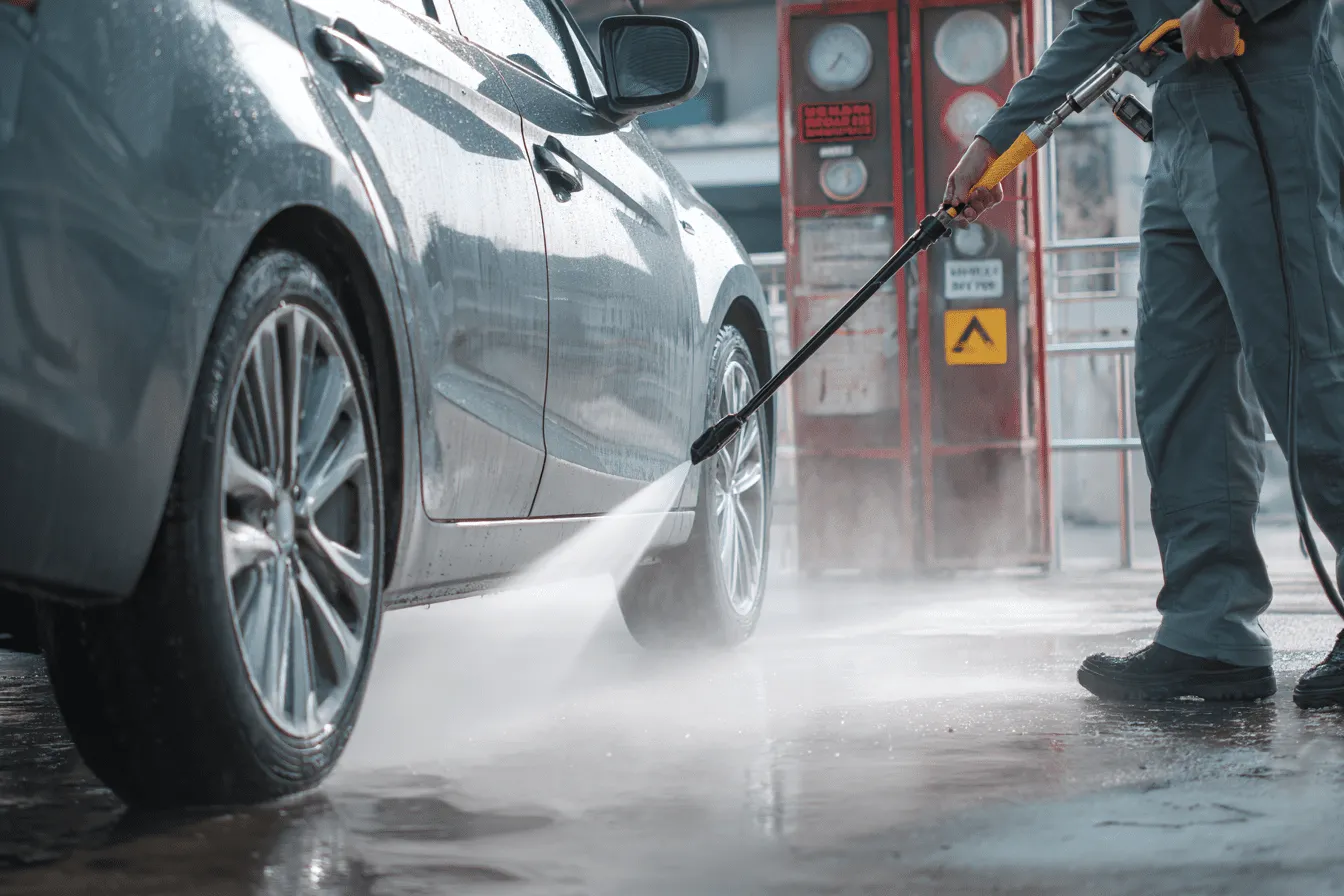
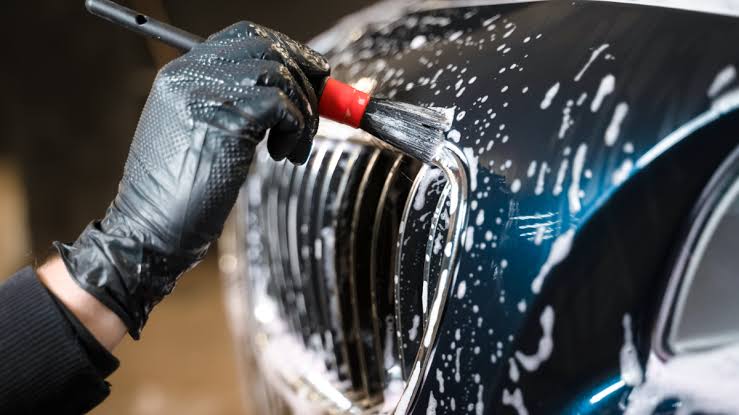
This is why washing a car isn’t the same as detailing one. A wash removes surface dirt. Detailing corrects the surface itself, then protects it so the correction lasts.
The Core Stages of a Proper Detail
Decontamination Before Anything Else
Before any polishing happens, the paint needs to be free of embedded contaminants — brake dust, tree sap, industrial fallout, tar. Clay bars or clay-alternative mitts are used specifically for this, gliding over lubricated paint to pull out particles that a regular wash misses. Skipping this step and going straight to polishing is one of the more common mistakes, because those particles can drag across the paint and create new scratches during correction.
Paint Correction
This is the stage that actually restores shine rather than just enhancing what’s there. Using a dual-action or rotary polisher with cutting or finishing compounds, a detailer levels out the clear coat by removing a very thin layer of material — enough to eliminate swirl marks, light scratches, and oxidation without compromising the coating’s thickness. It’s a controlled, incremental process, and it’s where experience matters most. Too aggressive a pad or compound combination on thin factory clear coat can cause more harm than the swirls ever did.
Protection
Once the surface is corrected, it needs a barrier. This can be a traditional carnauba wax, a synthetic sealant, or a ceramic coating, each offering different durability and levels of gloss. Wax tends to give a warmer, deeper look but lasts weeks. Sealants last longer, often several months. Ceramic coatings bond more permanently to the clear coat and can protect for one to several years depending on the product and application, though they still require proper washing habits to perform well over time.
Why Interior Condition Affects Overall Shine Perception
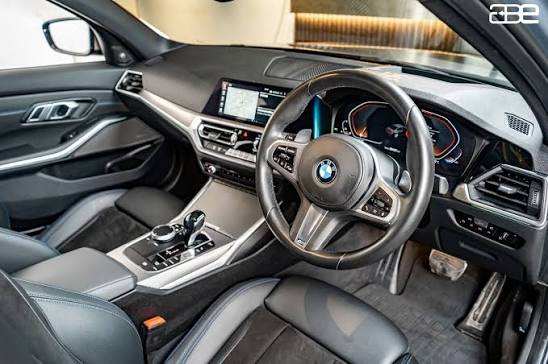
A detailed exterior next to a neglected interior tends to undercut the overall impression of the car. Detailers who work on both know that a clean dashboard, properly conditioned leather or vinyl, and streak-free glass all contribute to how “finished” a car looks in person, even though none of it touches the paint directly. This is partly why full detailing packages typically bundle interior and exterior work rather than treating them as separate services.
How Often Detailing Is Actually Needed
There’s no universal schedule, because it depends heavily on how and where the car is driven and stored. A car kept in a garage and driven occasionally will hold its shine far longer than one parked outside daily and exposed to sun, rain, and road salt. As a general guide, a maintenance wash every couple of weeks combined with a full detail once or twice a year keeps most daily drivers in good shape. Cars with ceramic coatings can often stretch the full correction interval out further, since the coating slows down how quickly contaminants bond to the surface.
Common Misconceptions Worth Clearing Up
One persistent myth is that waxing alone restores shine to neglected paint. Wax fills in minor imperfections and adds gloss, but it can’t remove oxidation or correct scratches that are already there. If the underlying surface is damaged, wax will highlight the shine of a still-imperfect surface rather than fix it.
Another is that darker cars need more frequent detailing than lighter ones. Dark paint does show swirl marks and water spots more visibly under direct light, but the actual rate of contamination and oxidation is driven by exposure and environment, not paint color.
Getting the Most Out of a Detail Once It’s Done
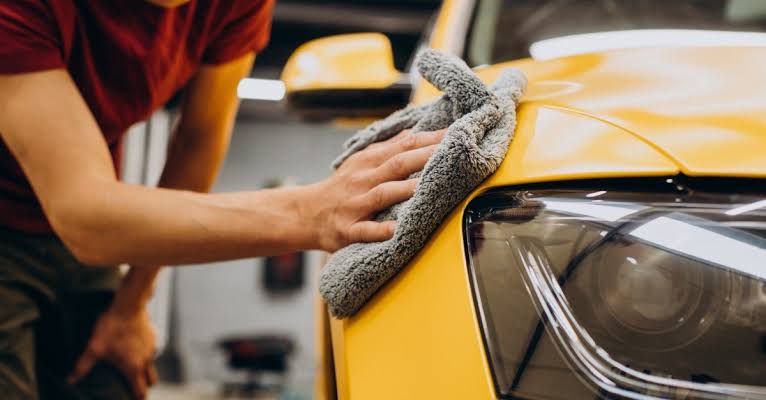
The value of a correction and protection job depends heavily on aftercare. Washing with pH-neutral car shampoo, using microfiber towels instead of sponges that can hold grit, and avoiding automatic car washes with brushes all help preserve the work. Drying with a clean towel or a blower rather than letting water air-dry also prevents the mineral spotting that dulls shine over time.
Restoring a car’s shine isn’t about one product or one trick — it’s the combination of correcting the surface properly and protecting it in a way that matches how the car is actually used. Done right, the results hold up far longer than most people expect, and the difference in how the car looks day to day is hard to miss.