If you’ve ever dropped your car off for “detailing” and picked it up wondering what exactly you paid for, you’re not alone. The term gets thrown around loosely — some shops use it to mean a quick wash and vacuum, others treat it as a multi-day process involving paint correction and ceramic coatings. There’s no single governing body standardizing what “detailing” means, so the scope really depends on the shop and the package you choose. That said, most professional detailing services fall into two broad categories: exterior and interior, with a few specialized add-ons layered on top.
Let me walk through what’s actually happening when a car gets properly detailed, based on how most reputable shops structure their work.

Exterior Detailing
This is the part people usually picture first, but there’s more to it than running a car through a wash tunnel.
Washing and Decontamination
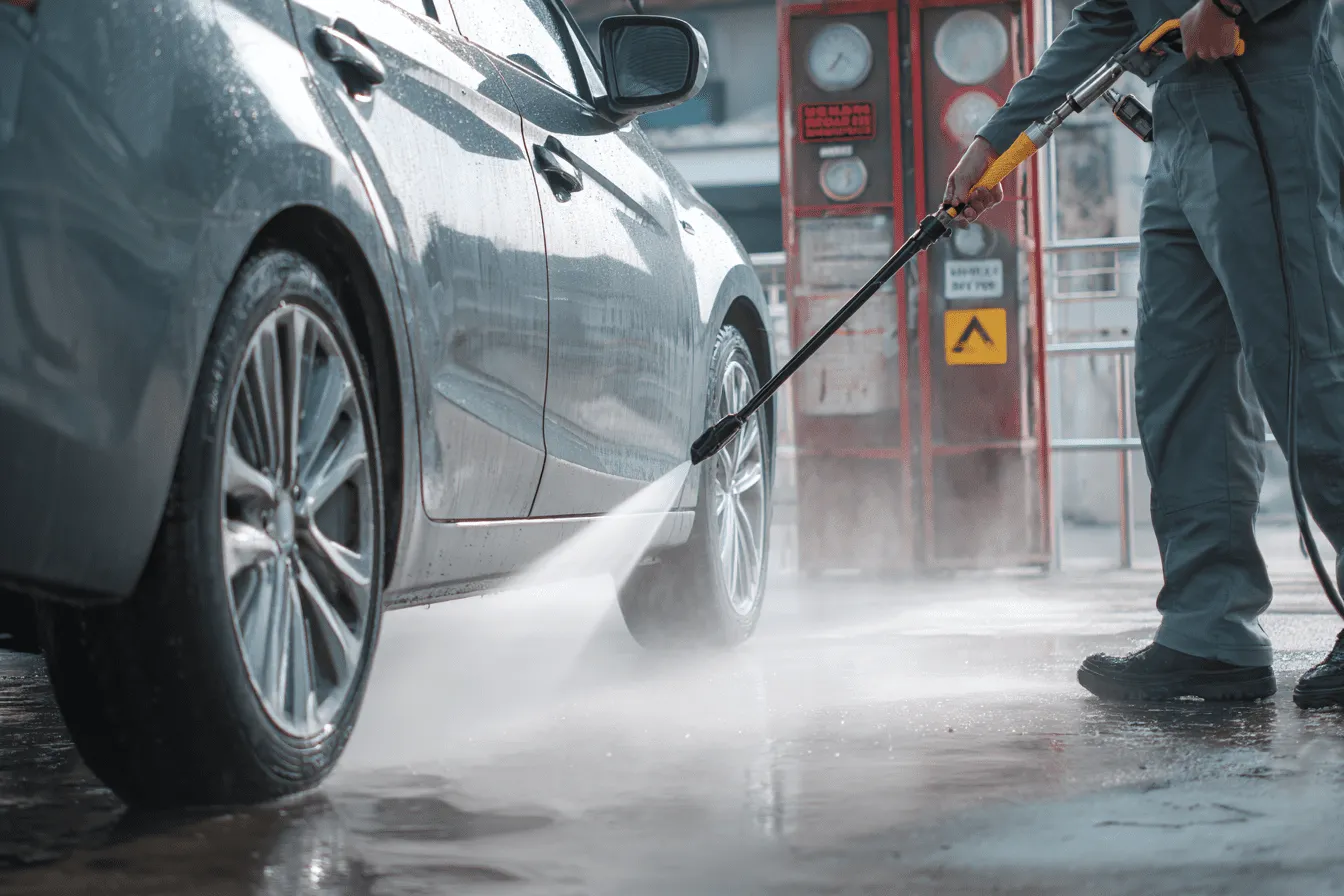
A proper exterior detail starts with a two-bucket hand wash using a pH-neutral soap, not the harsh detergents you’d find at a self-serve bay. Before that, though, a lot of detailers will do a “decontamination” step — this means using an iron remover to dissolve embedded brake dust and rail dust from the paint, plus a clay bar or clay mitt to pull off bonded contaminants like tree sap, tar, and overspray that washing alone won’t touch. Skipping this step is one of the more common shortcuts lower-end places take, because it adds time without being visually obvious to the customer right away.
Paint Correction
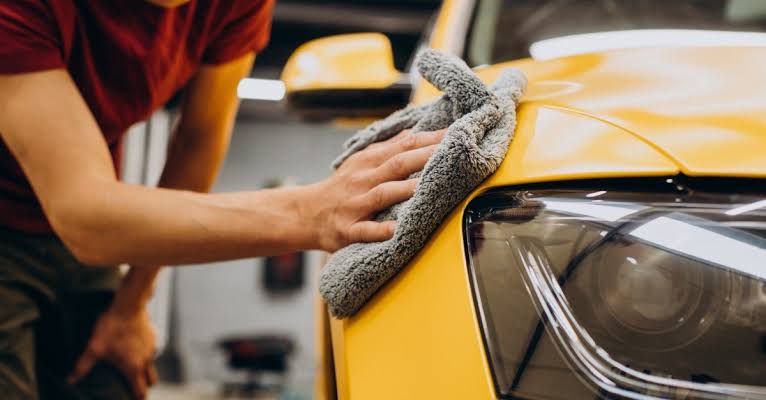
This is where detailing starts to separate from a basic car wash. Paint correction involves using a machine polisher (usually a dual-action or rotary polisher) with cutting or polishing compounds to remove swirl marks, light scratches, water spots, and oxidation from the clear coat. It’s a leveling process — you’re removing a microscopic layer of clear coat to eliminate the imperfections sitting on top of it. Not every detail package includes this, since it’s labor-intensive and requires actual skill to avoid burning through the clear coat, especially on edges and high points. If a shop is offering “full paint correction” for the same price as a basic wash, that’s worth questioning.
Paint Protection
Once the paint is clean and corrected, most detailers apply some form of protection. This could be a spray sealant, a paste wax, a synthetic polymer sealant, or a ceramic coating. Each has different longevity — wax typically lasts a few weeks to a couple of months, synthetic sealants a few months, and ceramic coatings can last one to several years depending on the product and maintenance. Ceramic coatings have become a major upsell in the industry over the last decade because they offer better hydrophobic properties and UV resistance than traditional wax, though they don’t make paint “scratch-proof” despite how they’re sometimes marketed.
Wheels, Tires, and Glass
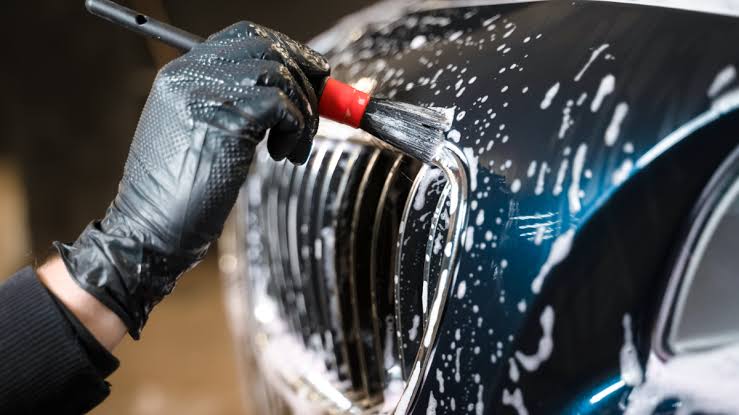
Wheels get their own dedicated cleaning step because brake dust is acidic and corrosive if left to sit, particularly on lighter-colored wheels or exposed lug nuts. Detailers use wheel-specific cleaners, sometimes with a separate set of brushes to avoid cross-contaminating wheel grime onto paint surfaces. Tires typically get dressed with a protectant afterward, and exterior glass gets cleaned with a dedicated glass cleaner, often followed by a water-repellent treatment on the windshield.
Interior Detailing
Interior work tends to be underestimated because it’s less visually dramatic than a glossy paint job, but it’s often more time-consuming.
Vacuuming and Dry Debris Removal
The first pass removes loose dirt, sand, and debris from carpets, mats, seats, and crevices — including under seats and in door pockets, which get skipped in a basic car wash vacuum. Detailers often use compressed air or detailing brushes to get into vents, seat tracks, and dashboard seams.
Deep Cleaning Surfaces
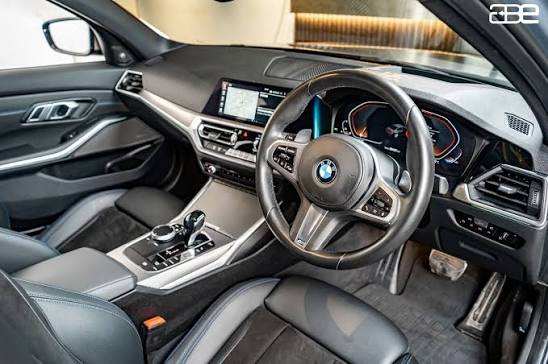
This covers wiping down and treating dashboards, door panels, center consoles, and trim with appropriate cleaners — different materials (vinyl, plastic, soft-touch surfaces) need different products to avoid discoloration or a greasy residue. Leather seats get a dedicated cleaner and conditioner, since leather dries out and cracks over time without conditioning. Fabric or cloth seats might get a mild cleaner and brush agitation for embedded dirt.
Stain and Odor Treatment
Extraction cleaning, sometimes called shampooing, uses a hot water extractor to pull deep-set stains and odors out of carpets and upholstery rather than just cleaning the surface. This step matters a lot for anyone dealing with pet hair, spilled drinks, or smoke odor, and it’s usually priced separately from a standard interior clean because of the extra time and equipment involved.
Window and Trim Interior Cleaning
Interior glass gets cleaned with ammonia-free products (ammonia can damage tinted windows and some dashboard materials), and interior trim gets a UV-protectant dressing to slow down sun-related fading and cracking, which is a real long-term issue for dashboards in particular.
Engine Bay Detailing (Optional Add-On)
Not every package includes this, and it does carry a small risk if done carelessly — water or degreaser near sensitive electrical components can cause issues. A proper engine bay detail involves covering exposed electrical connections, using an appropriate degreaser, and rinsing carefully at low pressure, followed by dressing plastic and rubber components. It’s mostly a cosmetic service, though it does make it easier to spot leaks or wear during a visual inspection.
What’s Usually Not Included
It’s worth knowing where detailing ends. Mechanical work, dent repair, scratch repair that goes past the clear coat, and rust treatment are outside the scope of standard detailing — those need a body shop or specialized repair service. Detailing improves appearance and helps preserve surfaces, but it isn’t a substitute for maintenance or repair work.
How to Know What You’re Actually Paying For
Because “detailing” isn’t a regulated term, the best move is to ask for an itemized breakdown before booking. A legitimate shop should be able to tell you specifically whether their package includes clay bar decontamination, machine paint correction, or just a wash and wax, and what type of interior cleaning is covered. Price differences between shops usually come down to exactly these inclusions — a $50 “detail” and a $300 detail are rarely doing the same amount of work, even if they’re using the same word to describe it.